
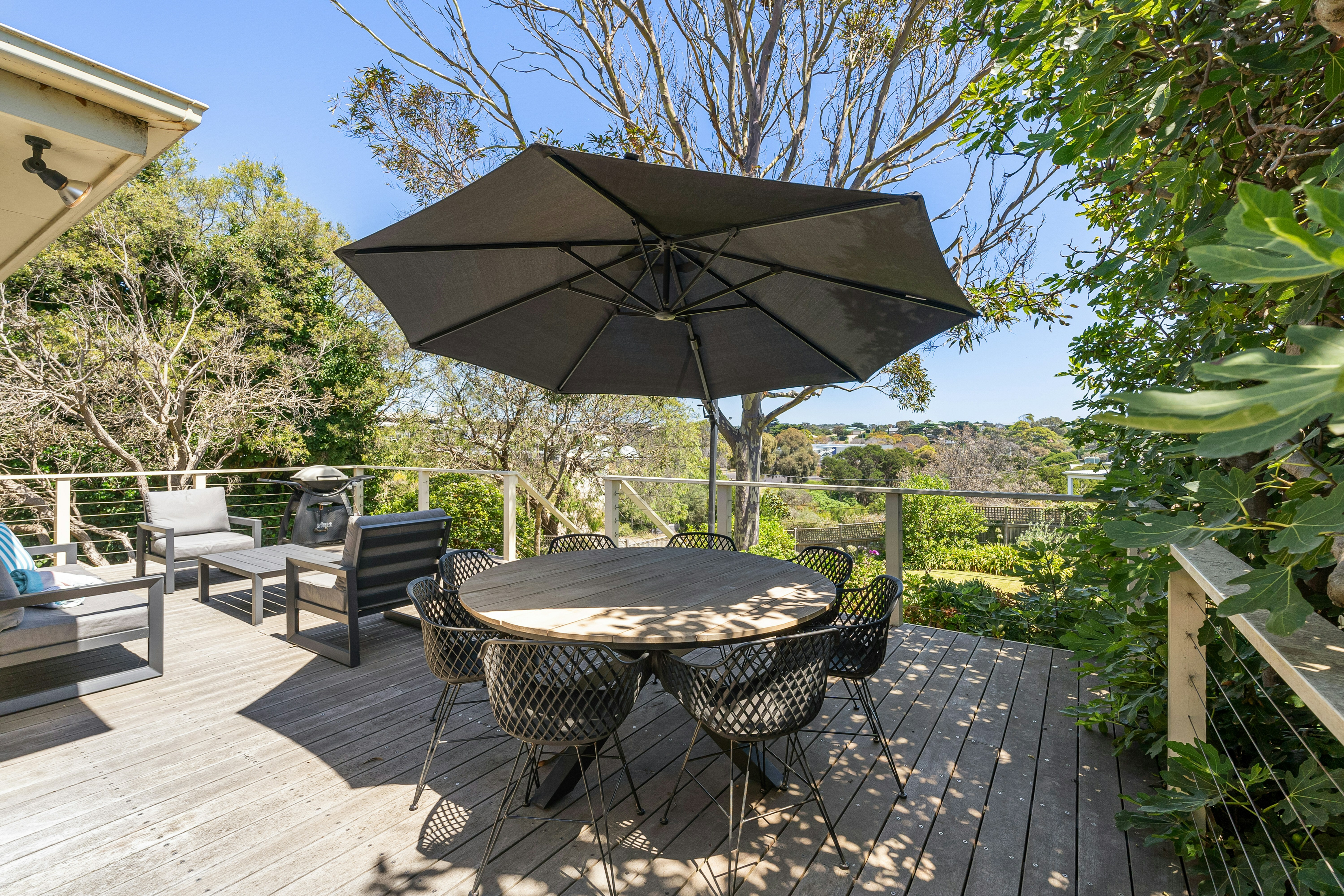
Deck boards get all the attention, but it’s the frame underneath that really determines how long your deck lasts, especially because it’s constantly exposed to moisture.
Water that seeps between deck boards and pools on top of joists works slowly and silently: softening wood fibers, accelerating fastener corrosion and setting the stage for rot. By the time damage is visible from above, the structural integrity is already at risk.
While many builders reach for traditional joist tape to bridge this gap, there are other modern solutions that are emerging as a more robust, long-term alternative for total frame protection.
Understanding Joist Tape
Joist tape is a self-adhesive flashing tape applied directly to the top edge of each joist before the boards go down.
It creates a barrier that keeps moisture out of the most vulnerable points in your deck frame. When paired with a quality deck frame coating, it’s one of the most cost-effective ways to extend the life of your structure.
Made from butyl or asphalt-based compounds with a durable backing, joist tape stays strong even when exposed to moisture, fasteners and temperature swings. When screws or nails are driven through the decking, the tape seals around each fastener, limiting water intrusion right at the point where it’s most likely to cause damage.
Planning Your Deck Framing Protection
A deck framing protection plan should be implemented before the first joist is ever installed. Always look at the environment the deck will be exposed to first, and assess how water will move through the finished structure.
Climate, sun exposure, drainage and deck height all play a role in how long the framing will last. For example, decks in shaded areas, near grade or in regions with heavy rain and snow hold moisture much longer, increasing the risk of rot on the tops of joists and beams.
Material choices and construction details matter, too. Board type, spacing, fastener selection and under-deck ventilation all influence how much moisture the frame is exposed to over time.
Common Installation Challenges Builders Face

Deck framing is constantly exposed to conditions that make moisture management difficult.
Rain, snow and morning dew will regularly find their way between deck boards and settle on the tops of joists. Plus, because these areas get limited airflow and sunlight, they often stay damp long after the deck surface has dried. In colder climates, freeze-thaw cycles can make the problem worse by repeatedly saturating the wood.
Job site conditions add another layer of difficulty. Lumber fresh from storage yards is often already wet, which can affect how well protective products adhere. Dirt, sawdust and uneven joist surfaces make proper application harder, and temperature extremes can compromise adhesives and coatings if they’re applied outside recommended conditions.
Tight construction schedules don’t help either. They often leave little time to properly prep framing before protection products go down, which is why material selection and planning ahead matter just as much as the installation itself.
Labor and Efficiency Considerations
Installing deck framing is one of the most labor-intensive phases of a deck build, so efficiency has a direct impact on the overall schedule.
Crews need to set beams, install joists, square the frame and secure hangers while keeping everything level and properly spaced. At the same time, builders are often working around uneven terrain, limited access or existing structures.
Because of these factors, framing work tends to move quickly once layouts are established, and most crews rely on a steady workflow to keep productivity high and avoid delays.
Protection measures for this framing add another layer of labor that builders have to plan for. Applying moisture protection products takes additional time and attention, especially when trying to maintain a consistent installation across dozens of joists.
Protection methods that fit naturally into the framing workflow help crews move fast without cutting corners on durability.
Importance of Quality Control During Installation
Performance checks should be built into the framing installation phase, not treated as an afterthought. Joists should be straight, level and properly spaced, while fastening systems need to meet manufacturer specifications.
Make sure hangers are fully nailed, structural screws are seated correctly and ledger connections are secure and properly flashed. Catching these details during installation prevents structural issues down the line and ensures the framing performs as designed.
The same attention applies to moisture protection materials. They should be installed consistently across joists, beams and other high-exposure areas where moisture tends to collect.
Alternative Options for Deck Framing Protection
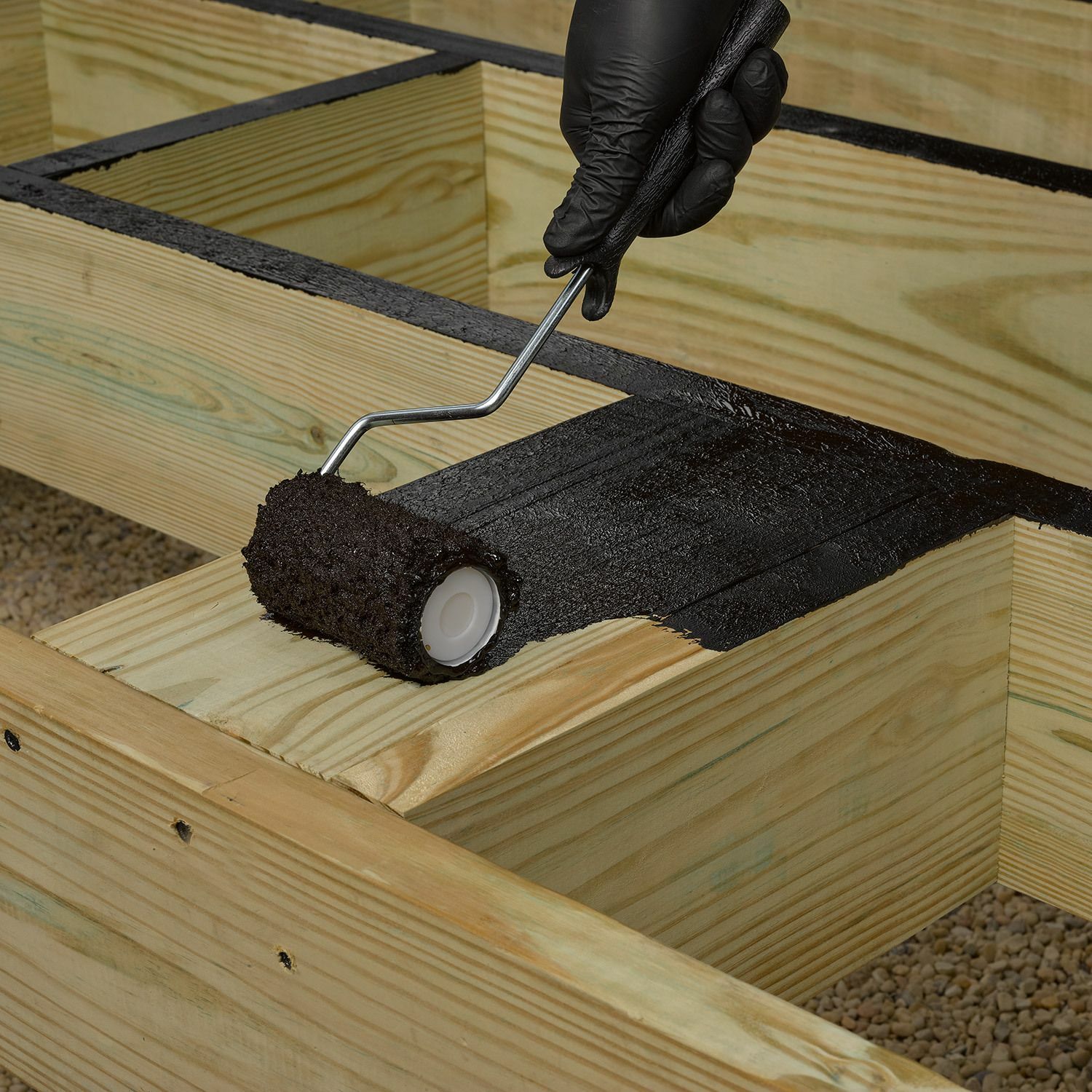
In addition to joist tape, some builders use broader protection methods to shield the entire frame from moisture exposure.
These include brush-on or spray-applied sealers, end-cut preservatives and comprehensive deck frame coatings that provide a continuous protective layer over joists, beams and hardware. A full coating system can seal multiple surfaces and hard-to-reach areas where water tends to collect.
For projects in harsher climates, comprehensive deck frame coatings offer an added level of defense against moisture intrusion and premature framing deterioration.
Deck Frame Coating: Seamless, Labor-Saving Protection
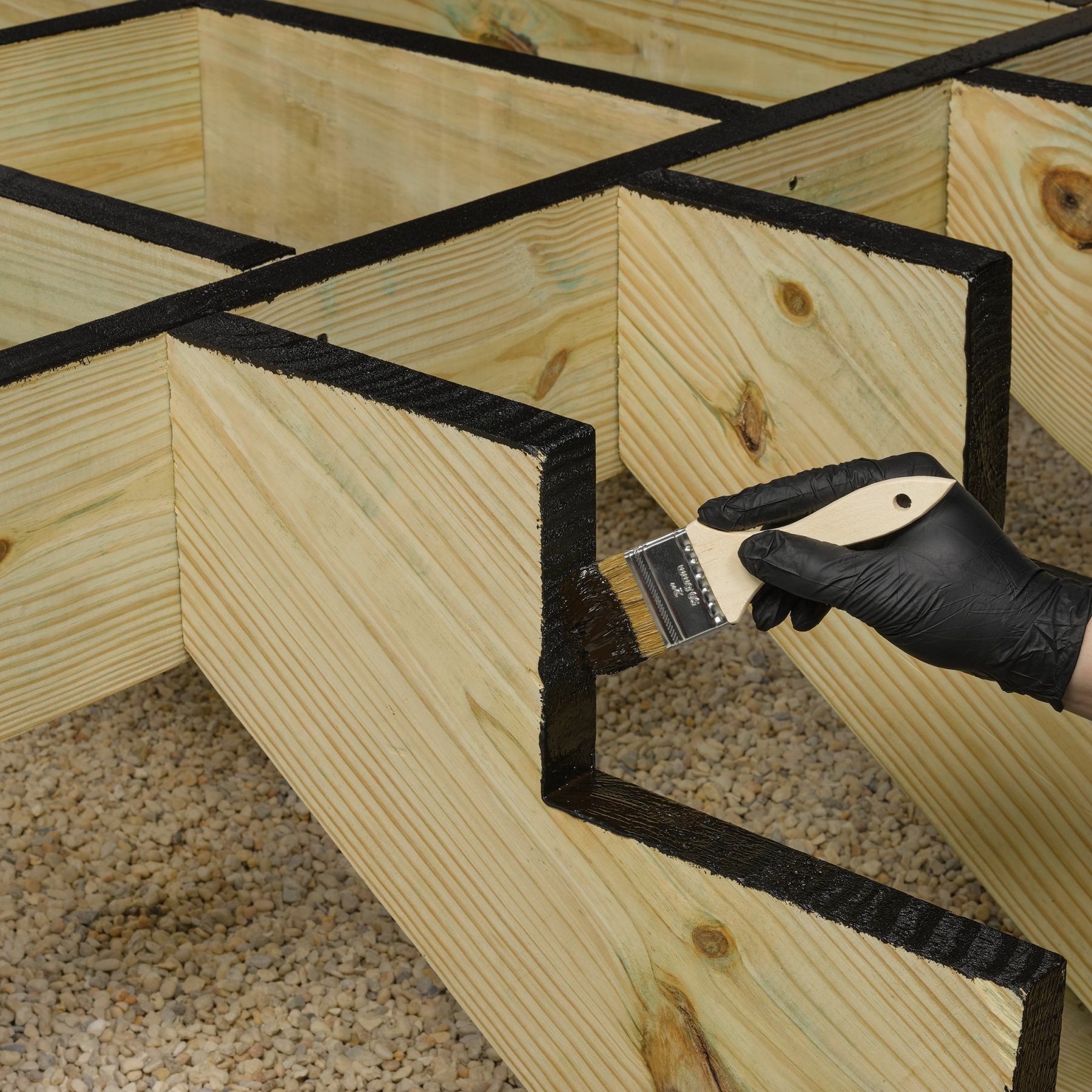
Deck frame coatings create a continuous barrier across wood surfaces and can be applied to joists, beams, rim boards and other exposed framing components. Once applied, the coating sheds water and reduces moisture absorption. This is particularly useful around fastener penetrations, cut ends and hardware connections where water tends to collect.
From a labor standpoint, many builders see deck frame coatings as a way to streamline the protection process. Rather than cutting and applying tape to every joist, crews can coat multiple framing members in a single consistent pass using a brush, roller or sprayer.
When integrated into the framing workflow, the process moves quickly without interrupting the pace of construction, providing wide, seamless coverage across the entire frame.
Don’t Let Moisture Compromise Your Next Deck Build
A deck is only as strong as its foundation. By the time you see the first signs of wood rot or rusted hardware, the structural clock is already ticking. Protecting the frame is a critical step in ensuring the durability of the project and the long-term safety of the build.
FastenMaster offers a complete line of professional-grade systems designed to tackle these challenges head-on.
By combining advanced deck frame coatings that create a seamless moisture barrier with engineered fasteners built for maximum hold and corrosion resistance, these products help you eliminate the vulnerabilities that lead to early failure.
FastenMaster decking solutions are built for the way you work: designed to protect the frame, streamline your installation and ensure every deck stays strong for years to come.
If you’re ready to build smarter on your next project, explore FastenMaster’s decking lineup today.