
Most hidden deck fastener failures don’t announce themselves until a board shifts, lifts or comes loose entirely. When they do, the cause is almost always improper installation rather than the fastener itself. Overdriven screws, improper spacing, mismatched materials and overlooked environmental conditions are the four most common culprits when installing hidden deck fasteners, and each one is avoidable with the right approach.
Hidden Deck Fasteners: Common Installation Errors
Failures with hidden deck fasteners can usually be traced back to a handful of common installation errors. Left unchecked, these mistakes can reduce holding strength, create uneven deck surfaces and place unnecessary stress on surrounding materials, often without any visible sign until the damage is incurred.
Overdriving
Overdriving is among the most frequent of these errors. It occurs when excessive torque forces a fastener too deeply into the decking material or substrate, crushing wood fibers and damaging the fastener clip.
This reduces holding strength, creates uneven board spacing and increases the likelihood of board movement over time. In composite and PVC decking systems, overdriving can cause surface deformation or stress cracking, particularly in areas with significant temperature swings.
The root cause is usually a tool setting issue. High-speed impact drivers used without adjusted torque settings, or a lack of consistency checks across the deck surface, are common contributors. Verifying clutch or torque settings before installation begins and checking fastener depth periodically throughout the project will catch most problems before they develop. For added reliability, depth-sensitive fastening systems or auto-stop tools designed for hidden-deck applications can help keep fastener depth consistent across the entire surface.
Underdriving
Underdriving is just as damaging as overdriving. An underdriven fastener does not fully seat into the decking or substrate, leaving the connection loose and without adequate holding power. This can cause board movement, squeaking, uneven surfaces and added stress on adjacent fasteners as the deck handles regular foot traffic and environmental expansion.
In hidden fastening systems, underdriven clips may also fail to maintain consistent board spacing, affecting both drainage and deck stability.
Worn driver bits, insufficient tool power and inconsistent driving pressure are common causes. Clear installation standards, proper training and routine quality checks during installation are the most reliable ways to avoid both problems.
Incorrect Fastener Selection
Another common installation mistake is not choosing the right fastener for the job. Using the wrong fastener type, size, coating or material can compromise the performance of the entire deck system.
For example, fasteners that are not rated for treated lumber or coastal environments may corrode prematurely, while fasteners that are too short or improperly designed for the substrate may fail to provide adequate holding strength.
If the fastener system isn’t compatible with the decking materials, the deck may fail due to board movement or loosening fasteners over time.
Environmental Contributors
Moisture, temperature fluctuations, UV exposure and coastal salt air can accelerate corrosion, material expansion and fastener fatigue, affecting the long-term performance of hidden deck fasteners.
In regions with frequent freeze-thaw cycles or high humidity, repeated movement within the decking system can gradually loosen improperly installed or incompatible fasteners. Using the wrong fastener materials or coatings in harsh conditions also increases the risk of staining, rust bleeding and structural weakening.
Selecting a fastener system rated for the local climate is one of the most important decisions made before installation begins.
Treated Lumber and Moisture Content
Pressure-treated lumber arrives with elevated moisture content and continues to dry after delivery, causing the wood to shrink, twist and shift over time.
That movement puts stress on fasteners and hidden clip systems, which can cause fasteners to loosen or lose holding strength.
Allowing lumber to acclimate for several days before installation begins can reduce the risk of moisture-related fastener problems.
Prevention Strategies
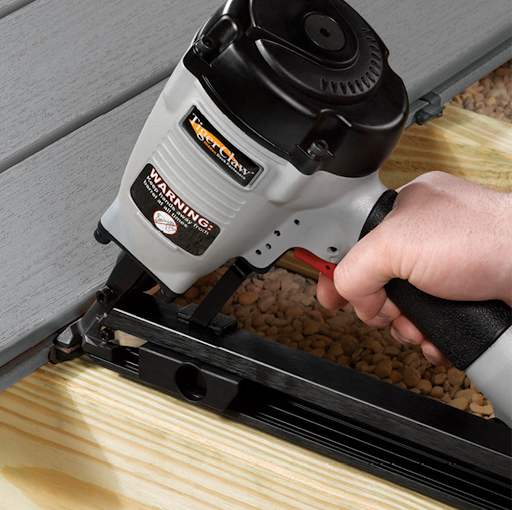
Preventing hidden deck fasteners from failing comes down to consistent installation practices, proper product selection and strong quality control throughout the project.
Training and Quality Checks
Even high-quality fastening systems can underperform when installers are unfamiliar with manufacturer requirements, proper tool settings or material-specific installation techniques.
Training crews before installation begins helps them recognize common issues like overdriving, underdriving, improper spacing and incorrect fastener selection. Well-trained crews produce more consistent, efficient installations across the entire project.
Routine inspections during installation allow supervisors and project managers to catch errors like improper fastener depth, uneven spacing and loose clips early while corrections are still straightforward. Spot-checking fastener placement and verifying compliance with manufacturer specifications throughout the project lowers the risk of failure after the deck is complete.
Elevate Your Craftsmanship With FastenMaster
While deck footprints and specifications vary, the demand for long-term durability never changes. Every project is entirely unique, and so are the conditions the materials must endure.
FastenMaster’s hidden fastening solutions are precision-engineered to eliminate installation guesswork, ensuring maximum holding power and seamless gapping from day one through decades of harsh environmental exposure.
Don’t compromise on your connection. Choose FastenMaster for your next project.